
Category: Parenting

  • The Rising Concern of Food Allergies in Babies and Toddlers: Exploring the Role of Probiotics

    The Rising Concern of Food Allergies in Babies and Toddlers: Exploring the Role of Probiotics

    The Rising Concern of Food Allergies in Babies and Toddlers: Exploring the Role of Probiotics

    Understanding Food Allergies in Infants and Toddlers

    Food allergies have emerged as a significant concern among infants and toddlers, with recent statistics indicating a notable increase in their prevalence. According to research, about 8% of children in the United States experience food allergies, which translates to approximately one in thirteen children. This alarming trend is mirrored globally, prompting heightened awareness and vigilance among parents and healthcare providers.

    The most common allergens that affect young children include milk, eggs, peanuts, tree nuts, soy, wheat, fish, and shellfish. Among these, allergic reactions to peanuts and tree nuts have gained particular attention due to the severity of the responses they can provoke. Symptoms of food allergies may vary, spanning from mild indications like hives and gastrointestinal discomfort to more severe reactions such as anaphylaxis, which can be life-threatening.

    This rising concern around food allergies is multifaceted. As more children are diagnosed at a young age, it raises questions about the factors contributing to this increase. Factors may include genetic predispositions, environmental influences, and changes in dietary patterns. Additionally, the earlier introduction of certain allergenic foods is a focus area for investigation, with ongoing research examining whether timely exposure might reduce the risk of developing allergies.

    The implications of food allergies extend beyond the immediate health effects on infants and toddlers. Parents find themselves navigating difficult choices regarding food preparation, social settings, and daycare environments. The necessity for clear communication and education on food allergies is paramount to minimize risks and empower both parents and caregivers in managing these allergies effectively. Therefore, understanding food allergies in this demographic remains a crucial area of focus for continued research and public health initiatives.

    The Importance of Gut Health in Early Development

    Gut health plays a crucial role in the early development of infants and toddlers, significantly influencing their overall well-being. This concept revolves around the gut microbiome, a complex ecosystem of trillions of microorganisms residing in the gastrointestinal tract. This microbiome is pivotal for several key areas, including digestion, nutrient absorption, and the maturation of the immune system. A healthy gut microbiome during infancy is integral to establishing a strong defense against various health issues, including allergic reactions.

    Studies have shown that the diversity and composition of the gut microbiome can affect immune responses, which are fundamental in preventing food allergies. These early interactions between the gut microbiome and the immune system help to educate the body in distinguishing between harmful substances and harmless ones. A well-balanced microbiome contributes to the production of specific antibodies and anti-inflammatory responses that can potentially mitigate the development of food allergies later in life.

    Moreover, factors such as mode of delivery, diet, antibiotic usage, and environmental exposure can all impact gut health. For instance, infants born via cesarean section often exhibit reduced microbial diversity, which can lead to an increased risk of allergies. Similarly, the introduction of solid foods and the diversity of those foods play a significant role in shaping a healthy gut microbiome as well.

    Incorporating probiotics into an infant’s diet is increasingly being studied for its positive effects on gut health. These beneficial bacteria can help restore and maintain a balanced microbiome, potentially aiding in the prevention of food allergies. Therefore, understanding and promoting gut health from an early stage is of utmost importance, as it lays the foundation for a healthy immune system and may reduce the likelihood of developing allergies in the future.

    What Are Probiotics and How Do They Work?

    Probiotics are live microorganisms, primarily bacteria and yeasts, which are considered beneficial to human health, particularly the gut. They are often referred to as “good” or “friendly” bacteria due to their positive effects on the digestive system and overall health. Common types of probiotics include Lactobacillus and Bifidobacterium, which can be found in various fermented foods such as yogurt, kefir, and sauerkraut, as well as in dietary supplements.

    The primary function of probiotics is to help maintain a balanced gut microbiome, which is crucial for the immune system and can influence several health outcomes. The gut microbiome is a complex community of microorganisms that reside in the digestive tract, playing a vital role in digestion and nutrient absorption. Probiotics work by promoting the growth of beneficial bacteria while inhibiting harmful bacteria, thereby ensuring a healthy balance within the gut environment.

    Research suggests that probiotics may have a significant impact on health, particularly in relation to conditions like food allergies. By helping to strengthen the immune response and reduce inflammation within the gut, probiotics may play a role in preventing or alleviating allergic reactions to food. For infants and toddlers, whose immune systems are still developing, the introduction of probiotics through diet or supplements might offer protection against potential food allergies and intolerances.

    It is essential to incorporate probiotics carefully, especially for babies and toddlers. Some studies indicate that early exposure to certain strains can bolster immune development and act as a preventative measure against food allergies. However, the specifics regarding strains, dosages, and timing require further investigation to fully understand their impact, emphasizing the importance of consulting healthcare professionals before introducing probiotics.

    Research Findings: Probiotics and the Prevention of Food Allergies

    Recent studies have begun to illuminate the potential role of probiotics in reducing the risk of food allergies in infants and toddlers. Probiotics, defined as live microorganisms that confer health benefits to the host, have garnered attention in the context of immune system development. A notable area of research has focused on the gut microbiome, which plays a crucial role in shaping immune responses during early life.

    One significant study published in the journal Pediatrics examined the effects of probiotic supplementation during pregnancy and infancy. The researchers found that mothers who consumed specific probiotic strains while pregnant and breastfeeding had children with a lower incidence of allergic diseases, including food allergies. This correlation suggests that maternal microbiota may influence the developing immune system of the fetus and neonate.

    Another pivotal research conducted by an international team also supports the preventive role of probiotics. The randomized controlled trial included infants at high risk for allergies and demonstrated that those who received probiotics during the first six months of life exhibited a marked decrease in the likelihood of developing food allergies compared to those who did not receive such intervention. These findings underline the critical window during early life for potential intervention through probiotics.

    Moreover, it was found that different strains of probiotics may have varying effects. For instance, Lactobacillus rhamnosus and Bifidobacterium lactis were among the strains identified as beneficial in reducing the risk of allergic sensitization. Collectively, these findings advocate for further exploration into probiotics as a proactive measure, emphasizing the need for healthcare providers to consider the early introduction of probiotics as part of dietary guidelines aimed at preventing food allergies in vulnerable populations.

    Recommendations for Probiotic Use in Infants

    The introduction of probiotics into an infant’s diet has garnered significant attention in recent years, particularly due to their potential benefits in gut health and immune function. However, it is crucial for parents and caregivers to navigate this topic with care. One of the primary recommendations is to consult with a pediatrician before introducing any probiotic supplements. This is particularly important for infants who may have an underlying health condition or are born prematurely.

    When considering the timing for introducing probiotics, current guidelines suggest that they may be safely incorporated into a baby’s diet starting around six months of age. This is typically when complementary feeding begins and a greater variety of foods are introduced. At this stage, parents can consider options such as probiotic-rich foods like yogurt, but it is essential to choose varieties that do not contain added sugars or artificial ingredients.

    For infants who are not yet consuming solid foods, liquid probiotic supplements specifically designed for babies can be a viable option. These products should be carefully selected based on reputable brands known for their safety and efficacy. It is advisable to look for probiotics that contain strains like Lactobacillus or Bifidobacterium, as these have been researched for their supportive roles in digestive health and immunity.

    Moreover, parents must assess the overall dietary context when introducing probiotics. A diverse diet, rich in fruits, vegetables, and whole grains, can naturally support gut health. Maintaining a balanced approach, rather than relying solely on supplements, will foster an environment conducive to developing a healthy microbiome. Additionally, monitoring any changes in the child’s digestive patterns or allergic reactions following the introduction of probiotics is vital. Observing how the child responds can guide informed decisions and foster optimal gut health.

    Potential Risks and Considerations

    The use of probiotics in babies and toddlers has gained popularity due to their potential health benefits, particularly regarding digestion and immune function. However, it is essential to carefully consider the associated risks and consult healthcare providers before introducing probiotics to young children. This consideration is crucial, as each child’s health needs are unique, and what may be beneficial for one child could pose risks for another.

    One of the primary reasons for caution is that probiotics can lead to adverse reactions in certain individuals, particularly those with compromised immune systems or underlying health conditions. In some rare instances, infants with serious illnesses or congenital metabolic disorders may experience infections due to specific probiotic strains. Therefore, understanding a child’s overall health status and any pre-existing conditions is pivotal when considering the incorporation of probiotics.

    It is also important to recognize that the probiotic market is vast and not all products are created equal. The quality and strain of the probiotic, dosage, and potential allergens contained in formulations can vary significantly. Parents must ensure they are choosing reputable products, ideally those that have been evaluated in clinical studies for safety and efficacy in infants and toddlers. And, as always, consulting a pediatrician can provide tailored advice based on the child’s specific dietary habits and health profile.

    In conclusion, while probiotics may offer benefits for digestive health in young children, it is essential to approach their use with caution. Parents should be proactive in seeking information and guidance from healthcare professionals, tailoring probiotic use to meet the individual health needs of their children, and being mindful of potential risks associated with these supplements.

    Additional Strategies for Allergy Prevention

    Preventing food allergies in babies and toddlers extends beyond the use of probiotics; various complementary strategies can be employed to offer a multi-faceted approach to reduce allergy risks. Nutrition plays a crucial role in the development of a child’s immune system, and offering a diverse range of foods during the early stages of weaning may help in building tolerance. Introducing allergenic foods such as peanuts and eggs early, as recommended by recent guidelines, could potentially aid in preventing allergies.

    Moreover, breastfeeding is recommended due to its numerous benefits for infants. The duration of exclusive breastfeeding has been associated with a decreased risk of developing allergies. Breast milk contains antibodies and other immune-boosting compounds that can fortify a child’s immune system, giving them a better chance to combat allergens. Hence, mothers are encouraged to breastfeed exclusively for the first six months, as this practice may provide essential nutrients and protective factors that support healthy immune development.

    Environmental factors also warrant consideration in allergy prevention. Exposure to various environmental elements, including pets and nature, can influence a child’s immune response. Evidence suggests that children who grow up in households with pets, particularly dogs, tend to have lower rates of allergies and asthma. Also, early exposure to a variety of foods and environments can promote a well-rounded immune response, fostering resilience against potential allergens.

    In addition to these strategies, avoiding unnecessary antibiotic use in young children is advised, as early antibiotic exposure could disrupt gut microbiome development. Prioritizing a balanced approach that incorporates diverse dietary intake, extended breastfeeding, and thoughtful environmental exposure can work synergistically with probiotics to significantly lower the risk of developing food allergies in early childhood.

    The Role of Healthcare Providers and Ongoing Research

    Healthcare providers, particularly pediatricians and dietitians, play a crucial role in guiding parents as they navigate the complex landscape of food allergies in babies and toddlers. These professionals are equipped with the knowledge and expertise required to identify symptoms of food allergies, recommend testing, and develop tailored dietary plans. They can help parents understand the significance of introducing allergenic foods gradually and safely, as recent studies suggest that early exposure to certain allergens may potentially reduce the risk of developing allergies.

    Pediatricians often serve as the first point of contact for families, helping to identify allergic reactions and referring them to specialists when necessary. They are instrumental in dispelling myths concerning allergies and educating parents on the importance of nutrition and a balanced diet for their child’s growth and development. By encouraging open communication between parents and healthcare providers, families can obtain a more comprehensive understanding of food allergies and the potential role of probiotics in the prevention and management of these conditions.

    In addition to individual consultations, the importance of ongoing research cannot be overstated. The scientific community is increasingly investigating the relationship between probiotics and food allergies. Recent research suggests that probiotics may modulate the immune system and enhance gut health, potentially acting as a preventive measure against the onset of allergies. However, further studies are required to reach substantive conclusions. Healthcare providers can promote this evidence-based approach, ensuring that any recommendations regarding probiotics are grounded in the latest scientific findings.

    As research continues to evolve, healthcare providers must remain updated on emerging evidence regarding food allergies and probiotics. By fostering collaborative relationships with researchers and staying at the forefront of developments in this field, pediatricians and dietitians can provide invaluable support to families navigating the challenges of food allergies.

    Conclusion: Empowering Parents with Knowledge and Evidence

    As the prevalence of food allergies in babies and toddlers continues to rise, it becomes essential for parents to equip themselves with knowledge and evidence-based strategies to safeguard their children’s health. It is evident from recent research that gut health plays a crucial role in determining the risk of developing food allergies. A balanced gut microbiome, which can be enhanced through the use of probiotics, is vital for the immune system’s proper functioning. Many studies indicate that early exposure to beneficial microbes may prime the immune system, fostering tolerance to common allergens.

    Parents are encouraged to explore the incorporation of probiotics into their toddlers’ diets, as these can significantly contribute to gut health. Foods such as yogurt, kefir, and fermented vegetables contain live cultures that promote a healthy microbiome. Additionally, consulting with pediatric specialists on the possible benefits and appropriate types of probiotics is advisable, ensuring that choices align with individual health needs.

    Equipping oneself with the knowledge of potential allergens and staying informed about the latest research provides parents with the assurance to make informed dietary choices. It is essential to introduce high-risk allergenic foods earlier in a child’s diet under professional supervision, as proactive measures can successfully reduce allergy risks. Sharing insights with other parents, staying updated on nutrition guidelines, and fostering open communication with healthcare providers can further empower families in navigating the complexities of food allergies.

    In conclusion, understanding the connection between gut health, probiotics, and food allergies can empower parents to take actionable steps toward creating a healthier environment for their children. By prioritizing informed decisions regarding diet and health, parents can help mitigate the risk of food allergies while promoting overall well-being in their little ones.

  • Navigating Child Nutrition: Overcoming Food Allergies for Balanced Diets

    Navigating Child Nutrition: Overcoming Food Allergies for Balanced Diets

    Navigating Child Nutrition: Overcoming Food Allergies for Balanced Diets

    Understanding Food Allergies in Children

    Food allergies are hypersensitive reactions of the immune system to certain food proteins, which can lead to a variety of symptoms ranging from mild discomfort to severe, life-threatening conditions. They commonly manifest during childhood, affecting a significant portion of the population. Recent studies suggest that approximately 5-8% of children are affected by food allergies, with foods such as peanuts, tree nuts, dairy, eggs, and gluten being the most frequent offenders. Understanding the prevalence and nature of food allergies is crucial for both parents and caregivers.

    The emotional and practical challenges that arise from managing a child’s food allergies can be overwhelming for many families. Parents often experience anxiety and fear regarding the safety of their children’s food, particularly in social settings such as birthday parties, school lunches, or family gatherings. The need for constant vigilance and awareness can be exhausting and leads to a significant emotional burden. For many parents, ensuring that their child does not encounter potential allergens becomes a primary focus, affecting not only meal preparation but also social interactions and overall lifestyle.

    Moreover, food allergies require strict dietary management that complicates mealtime. Parents must become adept at reading labels, identifying safe foods, and communicating dietary restrictions to others, including schools and caregivers. This can sometimes lead to feelings of isolation for both children and parents, as social activities may be limited due to fear of accidental exposure to allergens. Establishing a balanced diet becomes an act of navigating constant vigilance and creativity, finding adequate nutrition while avoiding trigger foods.

    Thus, comprehending the implications of food allergies is key to promoting not only physical but also emotional well-being for affected children and their families. Awareness and education play vital roles in ensuring that children with food allergies can thrive and enjoy a balanced diet.

    The Importance of a Balanced Diet

    A balanced diet is integral to a child’s growth and development, particularly during their formative years. Children require a diverse array of nutrients to support their physical and cognitive development, promote healthy immune function, and foster well-being. Such a diet is essential for establishing a foundation for long-term health, as nutritional deficiencies during childhood can lead to adverse effects that may carry into adulthood.

    The crucial components of a balanced diet include carbohydrates, proteins, fats, vitamins, and minerals. Each of these nutrients plays a unique role in a child’s body. Carbohydrates serve as the primary source of energy, fueling daily activities and sustaining focus during learning. Proteins, on the other hand, are vital for growth, muscle development, and tissue repair. Healthy fats contribute to brain development and the absorption of fat-soluble vitamins, promoting overall health.

    In addition to these macronutrients, vitamins and minerals must not be overlooked. Nutrients such as calcium, iron, and vitamin D are essential for bone health, cognitive function, and the prevention of anemia. Iron, for instance, is particularly important as it aids in the formation of hemoglobin, which transports oxygen in the blood. Without sufficient iron, children may experience fatigue and impaired cognitive development.

    Moreover, a balanced diet contributes to a healthy relationship with food. Teaching children the value of diverse foods encourages a more adventurous palate and can help mitigate the risk of developing food-related issues later in life. With proper nutrition, children are more likely to thrive physically and mentally, laying the groundwork for a healthy future.

    Identifying Key Nutrients Affected by Allergies

    Food allergies can significantly impact a child’s nutrition, often leading to the elimination of certain food groups that contain essential nutrients. Parents must be vigilant in identifying these nutrients typically affected by allergies, as they play a vital role in a child’s overall development.

    One of the most commonly affected nutrients is protein. Children with allergies to common protein sources such as milk, eggs, or peanuts may find it challenging to meet their protein needs. Proteins are crucial for growth, tissue repair, and immune function. To ensure adequate protein intake, parents should consider alternative sources such as legumes, quinoa, and turkey, which can help bridge nutrient gaps.

    Another important nutrient potentially compromised by food allergies is calcium. For children allergic to dairy products, which are primary sources of calcium, parents need to find other calcium-rich foods. Dark leafy greens such as kale and broccoli, fortified plant-based milk, and certain fish like sardines can provide necessary calcium without triggering allergies.

    Iron deficiency is also a concern for children with allergies, especially those who eliminate meat or fish from their diets. Iron plays a key role in developing cognitive function and energy levels. Alternative sources of iron include beans, lentils, and fortified cereals, which can help maintain sufficient iron levels.

    Additionally, omega-3 fatty acids, which support brain development and immune function, can be limited in children with seafood allergies. Parents can opt for flaxseeds, chia seeds, and walnuts as effective substitutes.

    In summary, recognizing the key nutrients affected by food allergies is essential for parents. By seeking alternative sources and remaining proactive in their child’s dietary planning, they can ensure that their children receive a balanced diet despite food restrictions.

    The Role of Protein in Child Development

    Protein is an essential macronutrient that plays a vital role in the growth and development of children. It is a fundamental building block for developing muscles, tissues, and organs, and is primarily composed of amino acids, which are necessary for various bodily functions including immune response, hormone regulation, and energy production. For growing children, adequate protein intake supports muscle development and bone growth, ensuring they achieve their developmental milestones.

    The recommended daily intake of protein varies by age. According to dietary guidelines, children aged 1-3 years should consume about 13 grams of protein daily, while children aged 4-8 years require approximately 19 grams per day. As children grow into their teenage years, the need for protein increases to around 34 grams daily for those aged 9-13 years, and up to 52 grams for boys and 46 grams for girls in the 14-18 age range. Meeting these protein requirements is critical for sustaining overall health and supporting active lifestyles.

    For children with food allergies, traditional protein sources like dairy, eggs, and certain meats may pose challenges. Consequently, it is important to explore alternative protein sources that are both nutritious and allergy-friendly. Legumes, such as beans, lentils, and chickpeas, are excellent plant-based protein options rich in fiber and other essential nutrients. Nuts and seeds provide healthy fats and proteins as well, although caution should be exercised due to nut allergies. Additionally, quinoa and tofu serve as valuable substitutes, delivering sufficient protein without the common allergens. By diversifying protein sources, caregivers can help ensure that children receive the nutrients necessary for healthy development, without compromising food safety.

    Healthy Fats: Supporting Brain and Body

    In the realm of child nutrition, healthy fats are vital components that contribute significantly to overall well-being and cognitive development. These fats, primarily unsaturated, play a crucial role in brain health, particularly in young children whose brains are rapidly growing. These essential nutrients support the development of the nervous system and enhance cognitive functions, such as memory and learning capabilities.

    One of the most critical aspects of healthy fats is their ability to aid in the absorption of fat-soluble vitamins (A, D, E, and K). Incorporating a balanced amount of healthy fats in a child’s diet can ensure they receive these essential nutrients that are necessary for their growth and healthy development. Foods rich in omega-3 fatty acids, such as avocados, flaxseeds, and certain oils, provide these beneficial elements without compromising dietary safety for children with food allergies.

    To incorporate healthy fats into a child’s diet while avoiding common allergens, parents can explore a variety of alternatives. For instance, instead of using traditional dairy-based products, unsweetened almond or coconut yogurt can be utilized, offering a source of fats without the risk of lactose intolerance or dairy allergies. Furthermore, the inclusion of seeds, such as chia seeds or pumpkin seeds, can not only enhance meals with texture but also deliver necessary omega-3 fatty acids.

    Moreover, incorporating plant-based oils, like olive oil or avocado oil, into daily cooking can provide essential fats beneficial for health while maintaining allergen-free status. By focusing on these options, parents can help forge a balanced diet that emphasizes the importance of healthy fats, promoting optimal brain function and overall health without the these concerns that food allergies may present.

    Vital Micronutrients for Growing Bodies

    Ensuring that children receive the proper micronutrients is crucial for their growth, development, and overall health. Micronutrients include vitamins and minerals that are essential for numerous physiological functions. Among these, calcium stands out as a key mineral for children, playing a vital role in the development of strong bones and teeth. Insufficient calcium intake during childhood can lead to issues such as stunted growth and increased risk of fractures.

    Aside from calcium, other important micronutrients include vitamin D, which aids in calcium absorption, and iron, which is critical for cognitive development and energy levels. Vitamin A supports vision and immune function, while the B vitamins are essential for metabolism and energy production. This suite of micronutrients works synergistically to promote optimal health in growing children.

    For children with food allergies, finding allergy-friendly sources of these vital nutrients is imperative. Dairy products are a primary source of calcium; however, for children allergic to dairy, alternative sources such as fortified plant-based milk (e.g., almond, soy, or oat milk), leafy green vegetables (like kale or broccoli), and fortified tofu can be effective substitutes. These alternatives not only provide calcium but can also be rich in vitamins and minerals essential for various bodily functions.

    Iron can be sourced from meet alternatives like legumes, lentils, and fortified cereals, which are also beneficial for children with dietary restrictions. Providing a balanced diet rich in these necessary micronutrients ensures that children not only thrive during their formative years but also enhances their long-term health outcomes. Parents and caregivers should be proactive in planning meals that incorporate a variety of these nutrient sources to support their children’s development, particularly in the presence of food allergies.

    Strategies for Meal Planning and Preparation

    Effective meal planning is crucial for parents aiming to provide a balanced diet that accommodates their child’s food allergies. Understanding the unique dietary needs associated with specific allergies is the first step in crafting nutritious meal plans. Parents should begin by identifying safe foods and creating a comprehensive list of nutritious options that are free from allergens. This list will serve as a foundation for developing meal ideas that maintain both variety and balance.

    Incorporating a wide range of food groups ensures that children receive essential nutrients. For example, parents can focus on whole grains, fruits, vegetables, lean proteins, and healthy fats in each meal. When planning meals, it is beneficial to create a weekly menu. A structured approach not only simplifies grocery shopping but also minimizes the likelihood of accidental exposure to allergens. It is helpful to include options that are similar in preparation to avoid feeling limited by allergies.

    Parents can also experiment with allergen-free substitutes in recipes. For instance, when preparing baked goods, alternatives such as almond flour or coconut milk can be used for those allergic to wheat or dairy. Additionally, batch cooking can be an effective strategy; preparing large quantities of meals or snacks and freezing them can help manage time better while ensuring that safe, nutritious options are readily available. Involving the child in meal prep can also foster a positive relationship with food and help them learn about their dietary needs.

    Regularly revisiting and modifying meal plans is essential as children grow and their tastes evolve. By keeping …activities like gardening or cooking educational, parents can further engage their children in understanding nutrition and food sources. This proactive approach not only addresses immediate dietary concerns but also promotes lifelong healthy eating habits.

    Finding Support and Resources

    Navigating the complexities of food allergies in children can be a daunting task for many families. However, the availability of various resources can significantly aid parents and caregivers in managing their child’s dietary needs effectively. First and foremost, online communities offer a wealth of information and a platform for sharing experiences. Websites and forums dedicated to food allergies allow families to connect with others facing similar challenges. These platforms encourage the exchange of tips, recipes, and coping strategies, helping parents feel less isolated in their journey.

    Additionally, professional dietary consultations are an invaluable resource for families dealing with food allergies. Nutritionists and dietitians specializing in food sensitivities can provide tailored advice to help ensure balanced diets for children. These experts can guide families on how to substitute allergenic foods, incorporate essential nutrients, and develop meal plans that promote overall health and well-being. Engaging with a registered dietitian can also alleviate anxiety about making safe food choices.

    Moreover, local and national support groups serve as a support network for families grappling with food allergies. Organizations such as the Food Allergy Research & Education (FARE) offer resources and events that not only foster community but also provide educational materials on managing food allergies effectively. Attending meetings and workshops can empower families with knowledge on the latest research and practical strategies. Emotional support from these groups is equally important, as they create a safe space for parents to express their concerns and experiences.

    In conclusion, finding resources and seeking support is crucial for families managing food allergies. With the right tools and community backing, parents can navigate their child’s dietary restrictions with confidence, ensuring a balanced and healthy diet while safeguarding their child’s health.

    Encouraging Healthy Eating Habits

    Encouraging children with food allergies to develop positive attitudes towards healthy eating can be challenging yet rewarding. The goal is to create an environment where nutritious foods are perceived as enjoyable and essential for well-being. First, it is crucial to involve children in the food preparation process. This not only teaches them about nutrition but also allows them to take ownership of what they eat. Allowing children to select fruits and vegetables at the grocery store or helping to prepare simple meals can significantly enhance their interest in healthy foods.

    Another vital aspect is to create a positive atmosphere around mealtimes. This includes minimizing distractions such as screens and focusing on family interactions that underline the enjoyment of sharing a meal. Consider introducing themed meals that revolve around different cultures or seasonal ingredients, making healthy eating an adventurous experience. Additionally, presenting food in a fun and appealing way can stimulate curiosity and desire to try new foods. For example, using vibrant colors of fruits and vegetables to create visually appealing plates can excite children.

    In addition, offering a variety of gluten-free, dairy-free, or nut-free options can cater to children’s dietary restrictions while also promoting exploration. Teach them about nutrition with age-appropriate resources, such as illustrating the benefits of different foods. Games and activities centered on healthy eating can further incentivize children to make informed choices. For instance, creating a food journal where children can track what they eat and their feelings towards those foods can promote mindfulness about their dietary habits. By fostering an inclusive and engaging approach to meals, children can build confidence in their choices and develop a lifelong love for healthy eating.

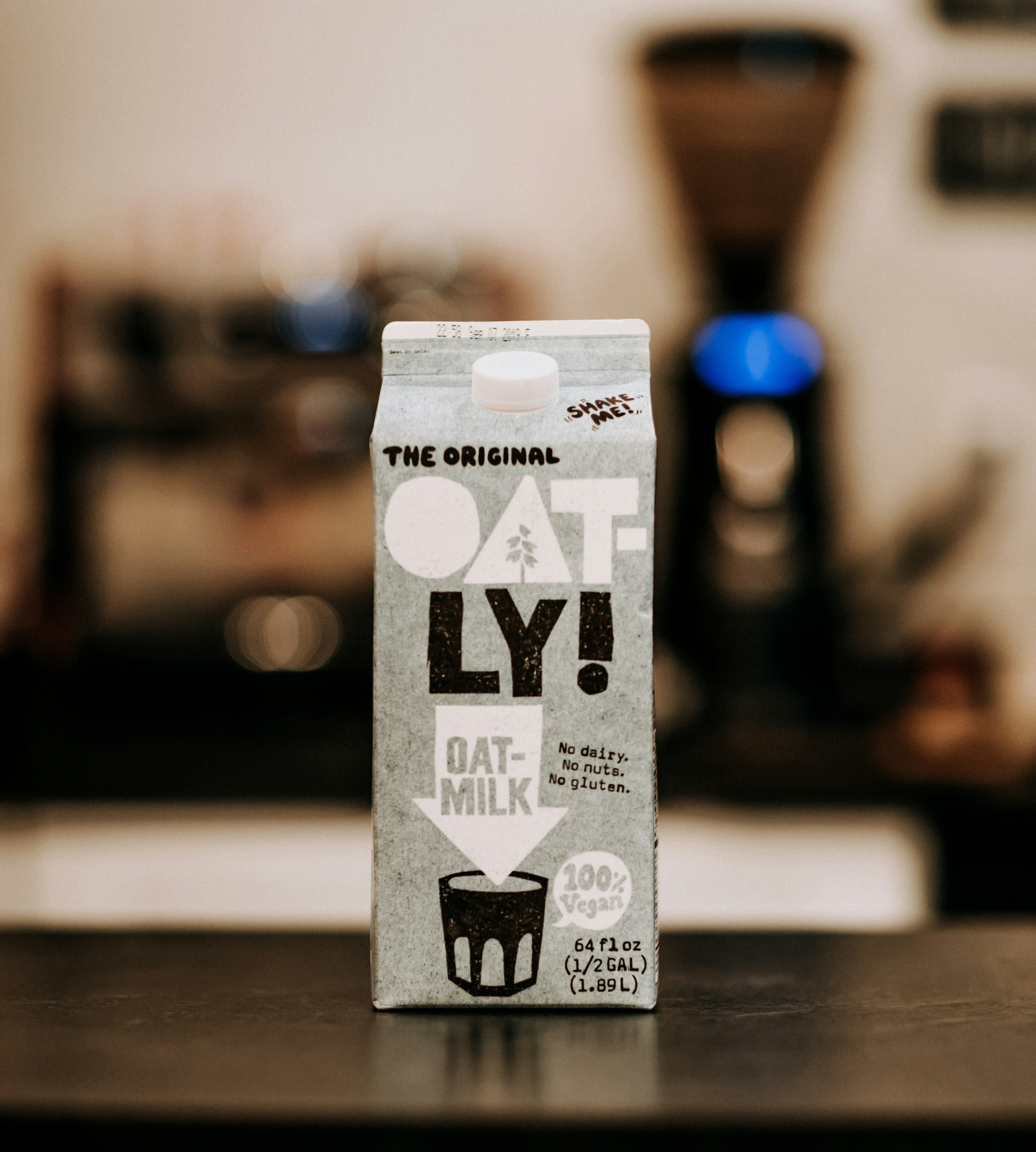
  • Navigating Toddler Nutrition: Choosing Between Cow’s Milk and Plant-Based Milk Alternatives

    Navigating Toddler Nutrition: Choosing Between Cow’s Milk and Plant-Based Milk Alternatives

    Navigating Toddler Nutrition: Choosing Between Cow's Milk and Plant-Based Milk Alternatives

    Understanding Toddler Nutritional Needs

    The transition from infancy to toddlerhood marks a critical period in a child’s growth and development, necessitating significant changes in nutritional needs. During this stage, toddlers are gradually weaned off breast milk or formula and begin to engage more with solid foods. This shift is pivotal as toddlers require adequate nutrition to support their rapidly developing bodies and brains.

    As children move into this new phase, their caloric requirements, along with the need for essential nutrients, increase. Toddler nutrition involves a balanced intake of carbohydrates, proteins, fats, vitamins, and minerals. These nutrients play a crucial role in various bodily functions, including energy production, immune system support, and the development of strong bones and teeth. A well-rounded diet can facilitate cognitive development and enhance physical growth, preparing them for future learning and activity.

    The choice of beverages becomes increasingly important as toddlers transition to solid foods. Milk, whether cow’s or plant-based alternatives, can greatly influence a child’s overall nutritional status. Cow’s milk is a rich source of calcium, protein, and vitamin D, which are vital for bone health and growth. However, for those who prefer or require plant-based options, it is essential to choose fortified varieties, which can provide similar nutrients.

    In conclusion, understanding the nutritional needs of toddlers is essential for fostering healthy growth and development. Parents must be knowledgeable about the dietary requirements during this phase and be mindful of their beverage choices. Balancing solid foods with appropriate beverages is critical in ensuring children receive the comprehensive nutrition necessary for their developmental milestones.

    When to Introduce Cow’s Milk and Plant-Based Alternatives

    Introducing cow’s milk and plant-based milk alternatives into a toddler’s diet is a critical decision that requires careful consideration. According to the American Academy of Pediatrics (AAP), the recommended age for introducing cow’s milk is generally after the child reaches 12 months of age. This guideline is primarily due to the nutritional needs of infants, as their digestive systems are not yet fully developed to handle the proteins and minerals found in cow’s milk. Prior to this age, it is recommended to stick with breast milk or iron-fortified formula which are more suited for infants.

    When considering plant-based milk alternatives, the introduction timeline can vary. While some parents choose to introduce plant-based milks such as almond, soy, or oat milk as early as 12 months, it is crucial to ensure that these alternatives are fortified with essential nutrients including calcium, vitamin D, and vitamin B12. Not all plant-based milks provide adequate nutrition, and they may lack the necessary calories and protein levels that toddlers require for healthy growth and development. Thus, they should not replace breast milk or formula during the first year.

    For toddlers under the age of one, caregivers need to focus on establishing a solid nutritional foundation that consists primarily of breast milk or infant formula. Once they transition to cow’s milk or plant-based alternatives after their first birthday, parents should monitor their child’s growth and development closely. Balancing their milk intake with a variety of solid foods is essential to meet nutritional needs. Consulting a pediatrician can provide personalized guidance on introducing these milk options to ensure the toddler’s health remains a priority.

    Factors to Consider When Choosing Milk

    When navigating toddler nutrition, selecting the right type of milk is pivotal. This decision often revolves around several important factors that reflect individual family circumstances, dietary necessities, and health considerations. The primary aspect is typically the family’s values and lifestyle choices. For example, households committed to veganism may inherently favor plant-based milk alternatives, viewing these options as more ethical and aligned with their principles, while others may prioritize traditional cow’s milk for its protein content and historical dietary usage.

    Another significant consideration is dietary restrictions. Some toddlers may suffer from lactose intolerance, making cow’s milk a poor choice for them. Instead, varieties of plant-based milk such as almond, oat, or soy can provide nutritious substitutes without causing digestive discomfort. Additionally, food allergies must be taken into account; for instance, a child allergic to nuts or soy would necessitate careful selection from the available plant-based alternatives.

    Health concerns also play a crucial role in the decision-making process. Cow’s milk is commonly recognized as a rich source of calcium and essential nutrients, which are vital for a toddler’s growth and bone development. It is important to evaluate how frequently toddlers consume these nutrients from other sources if plant-based options are chosen. Nevertheless, plant-based milks often vary significantly in their nutritional profiles, so opting for fortified versions that provide adequate vitamins and minerals is essential.

    Lastly, overall family nutrition habits should influence the decision. Families committed to health and wellness may lean towards organic or raw dairy options, while others may focus on the sustainability aspect of plant-based milks. In conjunction with these considerations, consulting a pediatrician or nutritionist can provide tailored guidance suitable for each child’s specific needs.

    Evaluating the Safety of Plant-Based Milk Alternatives

    As parents explore nutritional options for their toddlers, the rise of plant-based milk alternatives has prompted questions regarding safety and suitability. While these alternatives can be appealing, particularly for families adopting vegan or lactose-free diets, it is essential to evaluate their nutritional profile to ensure they are appropriate for young children.

    One of the primary concerns surrounding plant-based milk is the potential for nutritional gaps. Compared to cow’s milk, many alternatives (such as almond, soy, or oat milk) may lack certain vital nutrients such as protein, calcium, and vitamins D and B12. This is particularly important for toddlers, as they require a variety of nutrients for proper development. Therefore, selecting fortified options is key. Fortification can help bridge these nutritional gaps, with some brands adding calcium, vitamin D, and even omega-3 fatty acids to their formulations, making them closer to cow’s milk in nutritional value.

    Furthermore, it’s crucial to consider the ingredient list when choosing plant-based milks. Parents should look for products free from added sugars, artificial flavors, and unnecessary additives, as these can pose health risks or contribute to unhealthy eating habits. Furthermore, some toddlers may have allergies or intolerances to specific ingredients, such as soy or nuts, making it imperative to examine labels carefully.

    In conclusion, while plant-based milk alternatives can be a viable option for toddlers, careful selection is essential. Parents should prioritize fortified products, consider potential allergies, and ensure a balanced diet to support their child’s nutritional needs. By being mindful of these factors, caregivers can make informed decisions about incorporating plant-based options into their toddler’s nutrition regimen.

    Daily Milk Intake Recommendations for Toddlers

    When determining how much milk toddlers should consume, it is essential to consider their overall nutritional needs. The American Academy of Pediatrics recommends that children aged 1 to 2 years consume approximately 16 to 24 ounces of cow’s milk daily. This intake supports their growth and development, providing essential nutrients such as calcium and vitamin D, which are critical for bone health.

    For toddlers who are not consuming cow’s milk, plant-based milk alternatives can be an option. However, it is crucial to assess their nutritional content carefully. Options such as almond, soy, or oat milk may not contain the same level of protein, calcium, and other vitamins as cow’s milk. Therefore, parents should seek fortified varieties that offer comparable nutritional benefits. When introducing plant-based options, the recommended consumption remains between 16 to 24 ounces daily, but careful attention must be given to ensure that these alternatives meet the toddler’s dietary needs.

    It is important to strike a balance between milk intake and solid foods. Too much milk can lead to a reduction in appetite for other nutritious foods. Toddlers generally require a varied diet that includes fruits, vegetables, grains, and proteins alongside their milk intake. Thus, parents should aim to limit milk consumption to the recommended amounts, ensuring that toddlers do not fill up on milk alone and miss out on other vital nutrients. By providing a balanced diet that incorporates milk while encouraging solid food consumption, parents can support their child’s healthy growth and development.

    Nutritional Comparison: Cow’s Milk Versus Plant-Based Options

    When considering the nutritional profiles of cow’s milk and popular plant-based milk alternatives, it is essential for parents to examine the differences in key components such as calories, protein, fat content, and essential nutrients. Cow’s milk is a well-established source of several important nutrients including calcium, vitamin D, and complete proteins, making it a staple in many children’s diets. A standard serving of whole cow’s milk, which is approximately 8 ounces, typically contains about 150 calories, 8 grams of protein, and 8 grams of fat.

    In contrast, plant-based milks such as almond, soy, oat, and coconut varieties offer varying nutritional profiles. For instance, soy milk tends to be the closest in protein content to cow’s milk, with approximately 7-8 grams of protein per serving. Additionally, soy milk is often fortified with calcium and vitamins D and B12, making it a comparable alternative. On the other hand, almond milk is lower in calories and protein—averaging about 30-50 calories and only 1 gram of protein per serving—though it may contain added nutrients.

    Further differences are noted in fat profiles; cow’s milk contains saturated fats, which are absent in many plant-based options. While the fat content in whole cow’s milk can be around 5 grams per serving, plant-based alternatives such as coconut milk may contain higher saturated fat levels, depending on the formulation. Parents should also be aware that many plant-based milks contain added sugars, particularly flavored varieties, which can contribute to higher caloric intake and should be monitored.

    Ultimately, the choice between cow’s milk and plant-based alternatives must be guided by nutritional needs, potential allergies, and personal beliefs regarding dairy consumption. Conducting a thorough comparison of the two options will help parents make informed decisions regarding their child’s nutritional intake.

    Understanding Nutritional Content of Cow’s Milk

    Cow’s milk is a staple in many diets, particularly for toddlers, due to its rich nutritional profile. One of the primary nutrients found in cow’s milk is calcium, which is essential for developing strong bones and teeth. Adequate calcium intake during toddlerhood supports skeletal growth and helps prevent future bone-related issues. Experts recommend that toddlers receive sufficient calcium to meet their developing needs, making cow’s milk an excellent source.

    Beyond calcium, cow’s milk is also a significant provider of protein. Protein plays a crucial role in growth and development by contributing to muscle development and overall body function. The protein in cow’s milk is of high biological value, meaning it contains essential amino acids that toddlers require for optimal health.

    In addition, vitamins such as vitamin D and vitamin B12 are abundant in cow’s milk. Vitamin D is vital for calcium absorption, and it supports immune function and overall health. Vitamin B12 is crucial for neurodevelopment and the formation of red blood cells, which are essential for carrying oxygen throughout the body. This, in turn, helps in the cognitive development of toddlers as they grow.

    Cow’s milk is also a source of healthy fats, which are important for brain development in young children. These fats provide concentrated energy and support the absorption of fat-soluble vitamins, such as vitamins A and E. The presence of these nutrients in cow’s milk makes it a valuable component of a toddler’s diet, contributing significantly to their growth milestones.

    In conclusion, cow’s milk offers a wealth of nutrients that are essential for a toddler’s growth and development. Its unique blend of calcium, protein, vitamins, and healthy fats makes it an integral part of a balanced diet for children in their formative years.

    Key Nutrients to Look for in Plant-Based Milk

    When choosing plant-based milk for toddlers, it is essential to ensure that it is fortified with key nutrients that support healthy growth and development. Unlike cow’s milk, which naturally contains high levels of certain nutrients, many plant-based alternatives require fortification to provide similar benefits. Focus on specific nutrients such as protein, calcium, vitamin D, and vitamin B12.

    Protein is critical for the development of muscles and tissues in toddlers. Some plant-based milks, such as soy milk, are relatively high in protein compared to others like almond or rice milk. Selecting options enriched with proteins can help meet the dietary needs of growing children.

    Calcium is another vital nutrient for toddlers, playing a crucial role in building strong bones and teeth. It is recommended that children receive an adequate amount of calcium for optimal growth. Fortified plant-based milk alternatives, particularly those made from soy or almond, are often supplemented with calcium, mimicking the levels found in cow’s milk. This is particularly important for children who may not consume sufficient dairy products.

    Vitamin D is necessary for calcium absorption, and many plant-based milk alternatives are fortified with this essential vitamin. Ensuring that toddlers receive enough vitamin D aids in supporting their immune systems and promoting overall health. Additionally, vitamin B12, mainly found in animal products, plays a significant role in the functioning of the brain and nervous system. Parents should look for plant-based milks that have been fortified with this vitamin to guarantee their child’s nutritional needs are being met.

    In summary, when selecting plant-based milk for toddlers, it is essential to look for products fortified with protein, calcium, vitamin D, and vitamin B12. These nutrients are fundamental for promoting overall health and well-being in young children.

    Making the Right Choice for Your Family

    When it comes to selecting the appropriate milk option for toddlers, parents face an important decision between cow’s milk and various plant-based milk alternatives. Each choice carries unique nutritional benefits and considerations, which should be evaluated based on a child’s individual dietary needs and preferences. Understanding these factors can significantly impact a toddler’s nutritional intake and overall health.

    Cow’s milk has long been a staple in many children’s diets. It is rich in essential nutrients such as calcium, vitamin D, and high-quality protein, which are vital for bone development and growth in young children. Many experts recommend whole cow’s milk for toddlers aged one to two years, since the fat content is crucial for brain development during this formative stage. However, some children might experience lactose intolerance or allergies, prompting parents to explore alternatives.

    On the other hand, a variety of plant-based milk options are available, including almond, soy, oat, and coconut milk. These alternatives can be appropriate for toddlers who either cannot consume cow’s milk or who follow a vegan or vegetarian diet. It is important to choose fortified products that provide essential nutrients. For example, fortified soy milk can offer comparable protein levels, while almond or oat milk may require supplementation to ensure adequate calcium and vitamin D intake.

    To make the best choice for your toddler, consider their nutritional needs, any existing allergies or intolerances, and your family’s dietary preferences. Gradually incorporating either cow’s milk or suitable plant-based options into meals can encourage palate development and ensure balanced nutrition. Additionally, consulting a pediatrician or registered dietitian can provide tailored guidance on integrating these options into your toddler’s diet effectively, ensuring both health and satisfaction.