Understanding Toddler Nutritional Needs
The transition from infancy to toddlerhood marks a critical period in a child’s growth and development, necessitating significant changes in nutritional needs. During this stage, toddlers are gradually weaned off breast milk or formula and begin to engage more with solid foods. This shift is pivotal as toddlers require adequate nutrition to support their rapidly developing bodies and brains.
As children move into this new phase, their caloric requirements, along with the need for essential nutrients, increase. Toddler nutrition involves a balanced intake of carbohydrates, proteins, fats, vitamins, and minerals. These nutrients play a crucial role in various bodily functions, including energy production, immune system support, and the development of strong bones and teeth. A well-rounded diet can facilitate cognitive development and enhance physical growth, preparing them for future learning and activity.
The choice of beverages becomes increasingly important as toddlers transition to solid foods. Milk, whether cow’s or plant-based alternatives, can greatly influence a child’s overall nutritional status. Cow’s milk is a rich source of calcium, protein, and vitamin D, which are vital for bone health and growth. However, for those who prefer or require plant-based options, it is essential to choose fortified varieties, which can provide similar nutrients.
In conclusion, understanding the nutritional needs of toddlers is essential for fostering healthy growth and development. Parents must be knowledgeable about the dietary requirements during this phase and be mindful of their beverage choices. Balancing solid foods with appropriate beverages is critical in ensuring children receive the comprehensive nutrition necessary for their developmental milestones.
When to Introduce Cow’s Milk and Plant-Based Alternatives
Introducing cow’s milk and plant-based milk alternatives into a toddler’s diet is a critical decision that requires careful consideration. According to the American Academy of Pediatrics (AAP), the recommended age for introducing cow’s milk is generally after the child reaches 12 months of age. This guideline is primarily due to the nutritional needs of infants, as their digestive systems are not yet fully developed to handle the proteins and minerals found in cow’s milk. Prior to this age, it is recommended to stick with breast milk or iron-fortified formula which are more suited for infants.
When considering plant-based milk alternatives, the introduction timeline can vary. While some parents choose to introduce plant-based milks such as almond, soy, or oat milk as early as 12 months, it is crucial to ensure that these alternatives are fortified with essential nutrients including calcium, vitamin D, and vitamin B12. Not all plant-based milks provide adequate nutrition, and they may lack the necessary calories and protein levels that toddlers require for healthy growth and development. Thus, they should not replace breast milk or formula during the first year.
For toddlers under the age of one, caregivers need to focus on establishing a solid nutritional foundation that consists primarily of breast milk or infant formula. Once they transition to cow’s milk or plant-based alternatives after their first birthday, parents should monitor their child’s growth and development closely. Balancing their milk intake with a variety of solid foods is essential to meet nutritional needs. Consulting a pediatrician can provide personalized guidance on introducing these milk options to ensure the toddler’s health remains a priority.
Factors to Consider When Choosing Milk
When navigating toddler nutrition, selecting the right type of milk is pivotal. This decision often revolves around several important factors that reflect individual family circumstances, dietary necessities, and health considerations. The primary aspect is typically the family’s values and lifestyle choices. For example, households committed to veganism may inherently favor plant-based milk alternatives, viewing these options as more ethical and aligned with their principles, while others may prioritize traditional cow’s milk for its protein content and historical dietary usage.
Another significant consideration is dietary restrictions. Some toddlers may suffer from lactose intolerance, making cow’s milk a poor choice for them. Instead, varieties of plant-based milk such as almond, oat, or soy can provide nutritious substitutes without causing digestive discomfort. Additionally, food allergies must be taken into account; for instance, a child allergic to nuts or soy would necessitate careful selection from the available plant-based alternatives.
Health concerns also play a crucial role in the decision-making process. Cow’s milk is commonly recognized as a rich source of calcium and essential nutrients, which are vital for a toddler’s growth and bone development. It is important to evaluate how frequently toddlers consume these nutrients from other sources if plant-based options are chosen. Nevertheless, plant-based milks often vary significantly in their nutritional profiles, so opting for fortified versions that provide adequate vitamins and minerals is essential.
Lastly, overall family nutrition habits should influence the decision. Families committed to health and wellness may lean towards organic or raw dairy options, while others may focus on the sustainability aspect of plant-based milks. In conjunction with these considerations, consulting a pediatrician or nutritionist can provide tailored guidance suitable for each child’s specific needs.
Evaluating the Safety of Plant-Based Milk Alternatives
As parents explore nutritional options for their toddlers, the rise of plant-based milk alternatives has prompted questions regarding safety and suitability. While these alternatives can be appealing, particularly for families adopting vegan or lactose-free diets, it is essential to evaluate their nutritional profile to ensure they are appropriate for young children.
One of the primary concerns surrounding plant-based milk is the potential for nutritional gaps. Compared to cow’s milk, many alternatives (such as almond, soy, or oat milk) may lack certain vital nutrients such as protein, calcium, and vitamins D and B12. This is particularly important for toddlers, as they require a variety of nutrients for proper development. Therefore, selecting fortified options is key. Fortification can help bridge these nutritional gaps, with some brands adding calcium, vitamin D, and even omega-3 fatty acids to their formulations, making them closer to cow’s milk in nutritional value.
Furthermore, it’s crucial to consider the ingredient list when choosing plant-based milks. Parents should look for products free from added sugars, artificial flavors, and unnecessary additives, as these can pose health risks or contribute to unhealthy eating habits. Furthermore, some toddlers may have allergies or intolerances to specific ingredients, such as soy or nuts, making it imperative to examine labels carefully.
In conclusion, while plant-based milk alternatives can be a viable option for toddlers, careful selection is essential. Parents should prioritize fortified products, consider potential allergies, and ensure a balanced diet to support their child’s nutritional needs. By being mindful of these factors, caregivers can make informed decisions about incorporating plant-based options into their toddler’s nutrition regimen.
Daily Milk Intake Recommendations for Toddlers
When determining how much milk toddlers should consume, it is essential to consider their overall nutritional needs. The American Academy of Pediatrics recommends that children aged 1 to 2 years consume approximately 16 to 24 ounces of cow’s milk daily. This intake supports their growth and development, providing essential nutrients such as calcium and vitamin D, which are critical for bone health.
For toddlers who are not consuming cow’s milk, plant-based milk alternatives can be an option. However, it is crucial to assess their nutritional content carefully. Options such as almond, soy, or oat milk may not contain the same level of protein, calcium, and other vitamins as cow’s milk. Therefore, parents should seek fortified varieties that offer comparable nutritional benefits. When introducing plant-based options, the recommended consumption remains between 16 to 24 ounces daily, but careful attention must be given to ensure that these alternatives meet the toddler’s dietary needs.
It is important to strike a balance between milk intake and solid foods. Too much milk can lead to a reduction in appetite for other nutritious foods. Toddlers generally require a varied diet that includes fruits, vegetables, grains, and proteins alongside their milk intake. Thus, parents should aim to limit milk consumption to the recommended amounts, ensuring that toddlers do not fill up on milk alone and miss out on other vital nutrients. By providing a balanced diet that incorporates milk while encouraging solid food consumption, parents can support their child’s healthy growth and development.
Nutritional Comparison: Cow’s Milk Versus Plant-Based Options
When considering the nutritional profiles of cow’s milk and popular plant-based milk alternatives, it is essential for parents to examine the differences in key components such as calories, protein, fat content, and essential nutrients. Cow’s milk is a well-established source of several important nutrients including calcium, vitamin D, and complete proteins, making it a staple in many children’s diets. A standard serving of whole cow’s milk, which is approximately 8 ounces, typically contains about 150 calories, 8 grams of protein, and 8 grams of fat.
In contrast, plant-based milks such as almond, soy, oat, and coconut varieties offer varying nutritional profiles. For instance, soy milk tends to be the closest in protein content to cow’s milk, with approximately 7-8 grams of protein per serving. Additionally, soy milk is often fortified with calcium and vitamins D and B12, making it a comparable alternative. On the other hand, almond milk is lower in calories and protein—averaging about 30-50 calories and only 1 gram of protein per serving—though it may contain added nutrients.
Further differences are noted in fat profiles; cow’s milk contains saturated fats, which are absent in many plant-based options. While the fat content in whole cow’s milk can be around 5 grams per serving, plant-based alternatives such as coconut milk may contain higher saturated fat levels, depending on the formulation. Parents should also be aware that many plant-based milks contain added sugars, particularly flavored varieties, which can contribute to higher caloric intake and should be monitored.
Ultimately, the choice between cow’s milk and plant-based alternatives must be guided by nutritional needs, potential allergies, and personal beliefs regarding dairy consumption. Conducting a thorough comparison of the two options will help parents make informed decisions regarding their child’s nutritional intake.
Understanding Nutritional Content of Cow’s Milk
Cow’s milk is a staple in many diets, particularly for toddlers, due to its rich nutritional profile. One of the primary nutrients found in cow’s milk is calcium, which is essential for developing strong bones and teeth. Adequate calcium intake during toddlerhood supports skeletal growth and helps prevent future bone-related issues. Experts recommend that toddlers receive sufficient calcium to meet their developing needs, making cow’s milk an excellent source.
Beyond calcium, cow’s milk is also a significant provider of protein. Protein plays a crucial role in growth and development by contributing to muscle development and overall body function. The protein in cow’s milk is of high biological value, meaning it contains essential amino acids that toddlers require for optimal health.
In addition, vitamins such as vitamin D and vitamin B12 are abundant in cow’s milk. Vitamin D is vital for calcium absorption, and it supports immune function and overall health. Vitamin B12 is crucial for neurodevelopment and the formation of red blood cells, which are essential for carrying oxygen throughout the body. This, in turn, helps in the cognitive development of toddlers as they grow.
Cow’s milk is also a source of healthy fats, which are important for brain development in young children. These fats provide concentrated energy and support the absorption of fat-soluble vitamins, such as vitamins A and E. The presence of these nutrients in cow’s milk makes it a valuable component of a toddler’s diet, contributing significantly to their growth milestones.
In conclusion, cow’s milk offers a wealth of nutrients that are essential for a toddler’s growth and development. Its unique blend of calcium, protein, vitamins, and healthy fats makes it an integral part of a balanced diet for children in their formative years.
Key Nutrients to Look for in Plant-Based Milk
When choosing plant-based milk for toddlers, it is essential to ensure that it is fortified with key nutrients that support healthy growth and development. Unlike cow’s milk, which naturally contains high levels of certain nutrients, many plant-based alternatives require fortification to provide similar benefits. Focus on specific nutrients such as protein, calcium, vitamin D, and vitamin B12.
Protein is critical for the development of muscles and tissues in toddlers. Some plant-based milks, such as soy milk, are relatively high in protein compared to others like almond or rice milk. Selecting options enriched with proteins can help meet the dietary needs of growing children.
Calcium is another vital nutrient for toddlers, playing a crucial role in building strong bones and teeth. It is recommended that children receive an adequate amount of calcium for optimal growth. Fortified plant-based milk alternatives, particularly those made from soy or almond, are often supplemented with calcium, mimicking the levels found in cow’s milk. This is particularly important for children who may not consume sufficient dairy products.
Vitamin D is necessary for calcium absorption, and many plant-based milk alternatives are fortified with this essential vitamin. Ensuring that toddlers receive enough vitamin D aids in supporting their immune systems and promoting overall health. Additionally, vitamin B12, mainly found in animal products, plays a significant role in the functioning of the brain and nervous system. Parents should look for plant-based milks that have been fortified with this vitamin to guarantee their child’s nutritional needs are being met.
In summary, when selecting plant-based milk for toddlers, it is essential to look for products fortified with protein, calcium, vitamin D, and vitamin B12. These nutrients are fundamental for promoting overall health and well-being in young children.
Making the Right Choice for Your Family
When it comes to selecting the appropriate milk option for toddlers, parents face an important decision between cow’s milk and various plant-based milk alternatives. Each choice carries unique nutritional benefits and considerations, which should be evaluated based on a child’s individual dietary needs and preferences. Understanding these factors can significantly impact a toddler’s nutritional intake and overall health.
Cow’s milk has long been a staple in many children’s diets. It is rich in essential nutrients such as calcium, vitamin D, and high-quality protein, which are vital for bone development and growth in young children. Many experts recommend whole cow’s milk for toddlers aged one to two years, since the fat content is crucial for brain development during this formative stage. However, some children might experience lactose intolerance or allergies, prompting parents to explore alternatives.
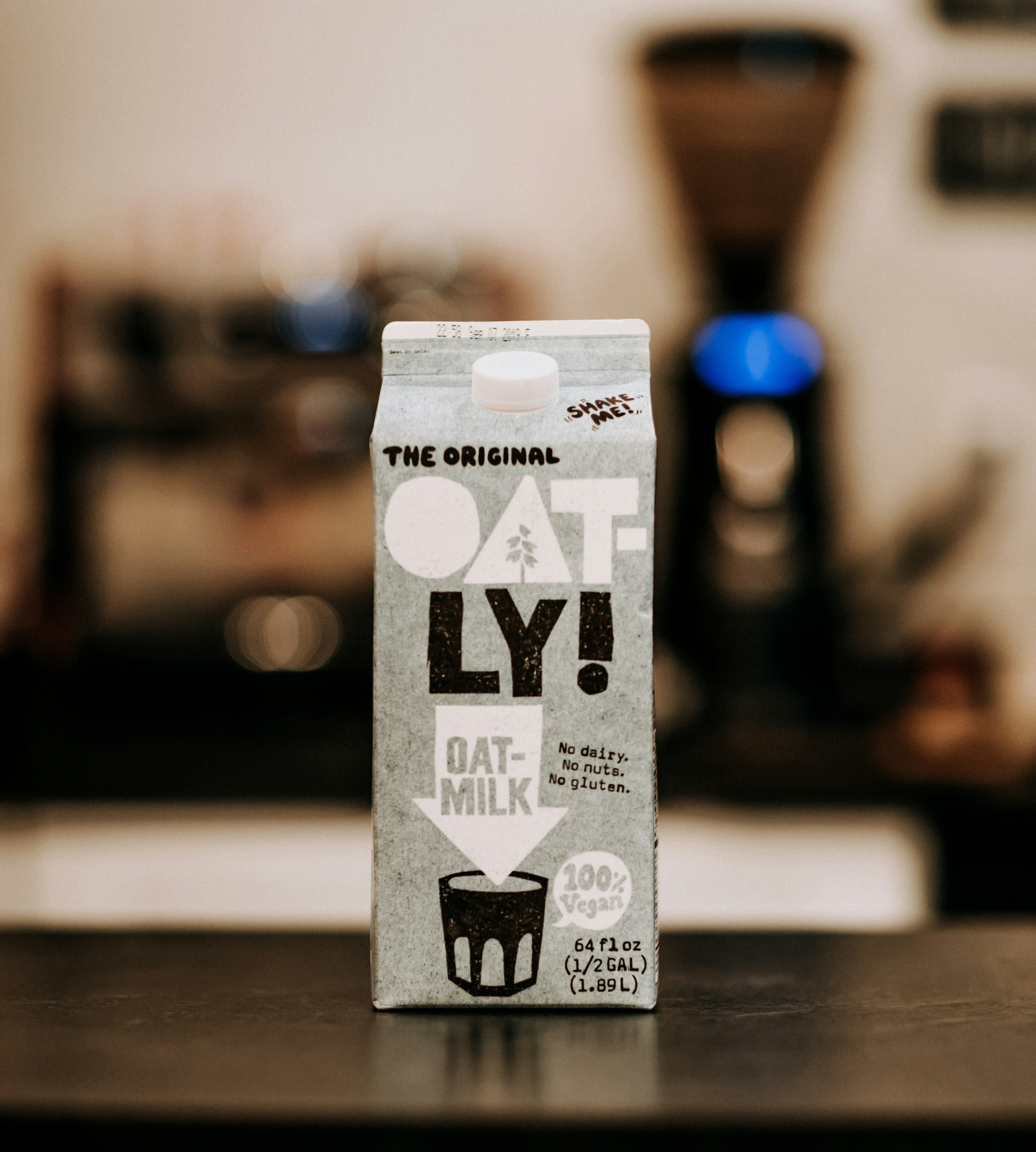
On the other hand, a variety of plant-based milk options are available, including almond, soy, oat, and coconut milk. These alternatives can be appropriate for toddlers who either cannot consume cow’s milk or who follow a vegan or vegetarian diet. It is important to choose fortified products that provide essential nutrients. For example, fortified soy milk can offer comparable protein levels, while almond or oat milk may require supplementation to ensure adequate calcium and vitamin D intake.
To make the best choice for your toddler, consider their nutritional needs, any existing allergies or intolerances, and your family’s dietary preferences. Gradually incorporating either cow’s milk or suitable plant-based options into meals can encourage palate development and ensure balanced nutrition. Additionally, consulting a pediatrician or registered dietitian can provide tailored guidance on integrating these options into your toddler’s diet effectively, ensuring both health and satisfaction.
Leave a Reply